

Common Mistakes With Meat Tumbling (and How to Fix Them)
Common Mistakes With Meat Tumbling (and How to Fix Them)

Meat tumblers play a critical role in modern protein processing. When used correctly, they improve marinade uptake, protein extraction, texture, moisture retention, and overall product consistency. But when key variables are overlooked, even high-quality equipment can deliver inconsistent results.
Many of the most common mistakes with meat tumbling are not caused by the machine itself. They stem from setup, operation, and environmental factors that affect how the meat moves, how the vacuum performs, and how ingredients are absorbed. Small changes in batch size, vacuum level, cycle time, or temperature can significantly impact yield and final product quality.
At Lance Industries, we work with processors every day who are looking to get more consistency, efficiency, and control from their meat tumblers. This guide breaks down the most common meat tumbling mistakes we see in production environments and explains how to correct them using proven, practical adjustments. Whether you are dialing in a new process or troubleshooting an existing one, understanding these fundamentals helps you get the most out of your equipment and your product.
Why Meat Tumbling Goes Wrong (and What “Good” Looks Like)
When meat tumbling results are inconsistent, the issue is rarely a single setting or component. Most problems come from how multiple variables interact during the tumbling process. Understanding what “good” looks like makes it much easier to identify where things start to break down.
The reality of meat tumbling
A meat tumbler is not a set-it-and-forget-it piece of equipment. Product movement, vacuum performance, time, speed, temperature, and ingredient distribution all work together. When one variable is off, it affects the entire batch.
Common symptoms of a process issue include:
- Uneven seasoning or brine distribution
- Inconsistent texture from batch to batch
- Reduced moisture retention or higher cooking loss
- Mushy surfaces or insufficient protein extraction
- Unexpected strain on equipment or longer cycle times
These issues often get blamed on the tumbler, but in most cases, the root cause is operational.
What “good” meat tumbling looks like
A properly dialed-in tumbling process creates controlled, repeatable movement inside the drum. The meat lifts, falls, and massages evenly, allowing vacuum pressure and time to do their job.
When conditions are right, you should see:
- Consistent marinade uptake across the entire batch
- Predictable texture and yield from run to run
- Even protein extraction without surface damage
- Stable processing times that support production goals
- Equipment operating smoothly without unnecessary stress
The variables that matter most
Across production environments, the same factors show up again and again as the difference between success and frustration:
- Batch size
- Vacuum level
- Cycle time and speed
- Ingredient distribution
- Maintenance and cleaning
- Raw material quality
Lance meat tumblers are designed to give operators control over these variables, including higher maximum vacuum capability and flexible operation in temperature-controlled environments. But even the best equipment performs best when these fundamentals are respected.


9 Common Meat Tumbling Mistakes (Plus Fixes You Can Use Today)
Even experienced operators can run into issues with meat tumbling when small process details are overlooked. These mistakes don’t always stop production, but over time they can reduce yield, affect texture, create inconsistency, and put unnecessary strain on equipment.
The sections below break down the most common meat tumbling mistakes we see in real-world production environments. Each one explains what’s going wrong, why it impacts product quality, and how to correct it without overcomplicating your process.
1. Overloading the Drum
The mistake:
Filling the tumbler drum beyond its recommended capacity.
Why it happens:
When production demands increase, it’s tempting to load more meat per batch to save time. Unfortunately, overloading the drum works against how meat tumblers are designed to operate.
Why it matters:
A meat tumbler needs open space inside the drum so the product can lift, fall, and massage properly. When the drum is too full:
- The meat cannot move freely
- Marinade uptake becomes uneven
- Protein extraction is inconsistent
- The motor and drivetrain experience unnecessary strain
Instead of improving efficiency, overloading often leads to rework, inconsistent quality, and long-term wear on the equipment.
How to fix it:
- Follow the recommended fill levels for your specific meat tumbler. Lance recommends fill the drum to 80% of capacity in order to give plenty of room for the meat to tumbler and move with the marinade.
- Allow enough headspace for proper product movement
- Keep batch sizes consistent so results stay predictable
Proper loading ensures the tumbling effect works as intended, delivering better absorption, texture, and overall product consistency without stressing the machine.
2. Not Pulling a Full Vacuum (or Not Knowing You Have a Leak)
The mistake:
Starting the tumbling cycle before the vacuum reaches full pull, or operating with vacuum leaks that go unnoticed.
Why it happens:
In busy production environments, operators may rush the process or assume the vacuum system is performing correctly without verifying it. Small leaks in gaskets, fittings, or hoses can also reduce vacuum pressure without triggering obvious alarms.
Why it matters:
A strong, consistent vacuum is essential to effective meat tumbling. Proper vacuum pressure helps open the pores of the meat, allowing brines and seasonings to penetrate deeper into the muscle.
When the vacuum level is too low:
- Marinade uptake is reduced
- Seasoning stays closer to the surface
- Protein extraction becomes inconsistent
- Final texture and yield suffer
In many applications, the typical vacuum pull ranges from 18 to 24, though some meats require different levels depending on product type and formulation. Failing to reach the appropriate vacuum level limits the benefits of the tumbling process.
How to fix it:
- Always allow the vacuum system to reach full pull before starting the cycle
- Regularly inspect gaskets, seals, and fittings for leaks
- Monitor vacuum pressure throughout operation, not just at startup
- Match vacuum level to the specific meat and formulation being processed
Lance meat tumblers are designed with a higher maximum vacuum capability to support deeper penetration and more consistent results. Taking full advantage of that capability starts with verifying the vacuum is doing its job before tumbling begins.
3. Using the Wrong Cycle Time or Speed
The mistake:
Assuming longer run times or higher speeds will automatically produce better results.
Why it happens:
It’s common to think that more tumbling equals better marinade uptake or protein extraction. In reality, time and speed need to match the specific product and batch size. Running a standard setting across different meats or loads often leads to inconsistent outcomes.
Why it matters:
Meat tumbling is a balance. When that balance is off, quality issues show up quickly.
Problems caused by incorrect time or speed include:
- Over-tumbling that leads to mushy texture
- Under-tumbling that limits extraction and marination
- Excessive speed that damages the meat surface
- Insufficient speed that limits product movement
How to fix it:
- Adjust cycle time and speed based on meat type and cut
- Factor in batch size when setting parameters
- Start conservatively and increase only as needed
- Evaluate texture and extraction, not just run time
Properly matched cycle settings allow the meat to lift, fall, and massage evenly, producing reliable marination and extraction without damaging the product. Be sure to check out our recipe page for recommended tumble times.
4. Poor Ingredient Distribution (Brine and Seasoning Hot Spots)
The mistake:
Adding brine or seasoning unevenly, often by dumping it into one spot inside the drum.
Why it happens:
When production is moving fast, ingredients may be added quickly without enough attention to distribution. In some cases, brine isn’t fully mixed before being introduced to the meat.
Why it matters:
Uneven ingredient distribution creates problems that tumbling alone cannot correct. When brine or seasoning enters the drum in a single concentrated area, it can lead to:
- Clumping and product sticking
- Patchy seasoning and inconsistent flavor
- Uneven marinade uptake across the batch
- Variability in texture and yield
Best practices for better results:
- Thoroughly mix brines and marinades before adding them to the tumbler
- Distribute ingredients evenly over the meat
- Allow initial rotation to help spread liquid
- Keep ingredient ratios consistent from batch to batch
Good ingredient distribution sets the foundation for even absorption and consistent flavor.
5. Inconsistent Batch Sizes
The mistake:
Changing the amount of meat in the tumbler from one batch to the next.
Why it happens:
Batch sizes often fluctuate to accommodate incoming orders, raw material availability, or time constraints.
Why it matters:
Batch size directly impacts product movement. Variations can lead to:
- Differences in texture from batch to batch
- Inconsistent protein extraction
- Fluctuations in marinade uptake and yield
How to fix it:
- Establish standard batch sizes for each product
- Avoid frequent adjustments without updating settings
- Track results when batch size changes
- Prioritize consistency to maintain repeatable quality
6. Skipping Preventative Maintenance
The mistake:
Waiting until something breaks before servicing the meat tumbler.
Why it happens:
Preventative maintenance is often delayed, especially in operations without in-house technical support.
Why it matters:
Without regular maintenance, issues can develop such as:
- Vacuum leaks from worn gaskets
- Reduced pump performance
- Stress on welds and shafts
- Unexpected downtime
How to fix it:
- Inspect gaskets, seals, and fittings regularly
- Monitor vacuum performance for changes
- Follow a preventative maintenance schedule
Lance Industries supports operators with a fully stocked service department and access to experienced technicians who understand meat tumbling equipment. Be sure to check out our service videos which will help you understand how to take care of your Lance meat tumbler.
7. Using the Tumbler in a Room That’s Too Warm
The mistake:
Operating the tumbler in an environment that is too warm.
Why it happens:
Equipment placement is sometimes based on space rather than temperature control.
Why it matters:
Mechanical agitation generates heat. Combined with warm ambient temperatures, this can create food safety concerns and affect texture.
How to fix it:
- Monitor ambient temperature during tumbling
- Avoid extended cycles in warm rooms
- Use temperature-controlled environments
Lance meat tumblers are mounted on wheels and sized to fit through standard doorways, allowing them to be moved into walk-in coolers during operation.
8. Improper Cleaning Practices
The mistake:
Rushing or skipping cleaning steps between batches.
Why it happens:
Cleaning is sometimes viewed as lost production time.
Why it matters:
Incomplete cleaning can cause:
- Off-flavors
- Residue buildup
- Regulatory compliance challenges
- Premature wear on components
How to fix it:
- Follow a documented cleaning procedure
- Pay attention to seams, welds, and gaskets
- Inspect equipment after cleaning
9. Expecting the Tumbler to Fix Poor Meat Quality
The mistake:
Using tumbling to compensate for poor raw materials.
Why it happens:
Tumblers significantly improve texture and flavor, which can lead to unrealistic expectations.
Why it matters:
Tumbling enhances quality but cannot replace good meat and proper trimming.
How to fix it:
- Start with consistent, high-quality raw materials
- Match parameters to the product
- Use tumbling to enhance, not mask, quality
Frequently Asked Questions About Meat Tumbling
Final Thoughts on Avoiding Common Meat Tumbling Mistakes
Consistent meat tumbling results depend on controlling the fundamentals. Batch size, vacuum level, cycle time, ingredient distribution, temperature, maintenance, and cleaning all play a role in product quality and consistency. When these factors are managed correctly, meat tumblers help improve marinade absorption, water retention, yield, and overall performance.
Many common mistakes with meat tumbling can be avoided with proper setup, regular maintenance, and a clear understanding of how the process works. Taking the time to dial in these variables helps protect product quality, extend equipment life, and support reliable production.
Looking for the right vacuum tumbler for your operation?
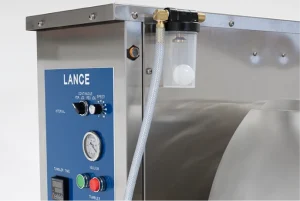
Lance Industries’ USDA-approved vacuum tumblers are trusted by meat processors, butchers, grocery stores, meat markets, restaurants, and seafood suppliers to improve product quality and consistency. If you have questions about vacuum tumbling, equipment features, or selecting the right machine for your application, our team is available to help.
Request a quote or contact Lance Industries to learn more about our vacuum massage tumblers.
If you’re looking for a reliable product at a competitive price, please call us at 1 (800) 775-2623 or email us to learn more about our massage tumblers and get a quote!